

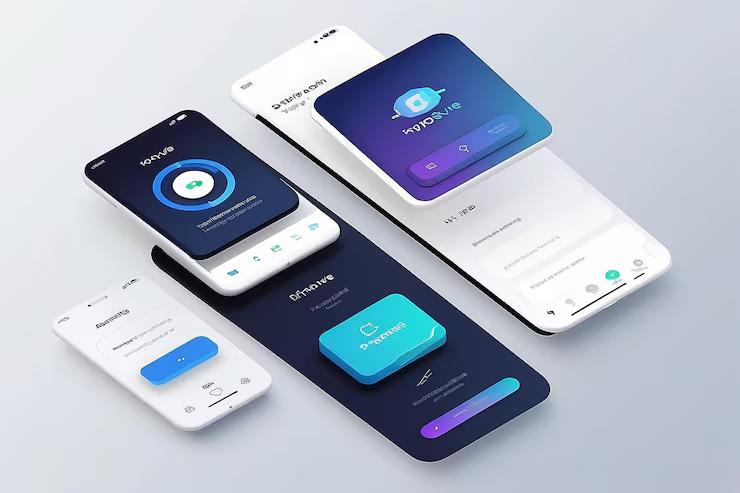
From daily organisation to complex problem-solving, apps quietly shape how people interact with technology. They simplify routines, support decision-making, and extend digital access across devices. Understanding how modern apps work—and why they matter—offers valuable insights into today’s connected world and its rapidly evolving digital habits.
Apps have become an essential layer of modern app technology. They sit between users and complex systems, translating advanced digital capabilities into simple, usable experiences. Whether accessed on phones, tablets, or computers, apps influence how information is consumed, tasks are completed, and services are delivered.
Their significance goes beyond convenience. Apps reflect how technology adapts to human needs. They prioritise speed, clarity, and accessibility while shaping expectations around efficiency and responsiveness. Understanding their purpose and power helps users make better choices and organisations design more effective digital solutions.
What Defines a Modern App?
Modern apps are designed with usability and performance at their core. They are not merely software; they are structured tools built around specific goals.
Key defining characteristics include:
- User-focused design that reduces complexity
- Task-driven functionality with clear outcomes
- Scalability to adapt to growing demands
- Continuous updates to improve security and features
Apps are increasingly modular, meaning features can evolve without disrupting the overall experience. This approach supports flexibility and long-term relevance.
The Core Purposes of Apps
Apps serve clear and practical purposes across digital environments. At their foundation, they exist to make technology more approachable and efficient.
Simplifying Complex Systems
Apps act as intermediaries. They remove the need for technical knowledge by presenting intuitive interfaces. Users focus on outcomes rather than processes, which improves confidence and adoption.
Supporting Productivity and Organisation
Many apps are structured to streamline workflows and reduce cognitive load. They help users manage time, information, and priorities in a structured way.
Enabling Access and Connectivity
Apps provide consistent access across locations and devices. This continuity ensures users can interact with digital services when needed, without barriers.
The Power Behind App Design
The effectiveness of an app depends heavily on its design. Purpose-driven design influences how users interact and whether they return.
User Experience as a Priority
Modern apps emphasise clarity, speed, and predictability. Straightforward navigation, logical layouts, and responsive feedback contribute to trust and usability.
Performance and Reliability
Behind every app is an infrastructure designed to deliver stable performance. Fast load times and reliable operation are not optional; they are expectations.
Security and Data Responsibility
Apps increasingly handle sensitive information. As a result, security measures such as encryption, permissions, and regular updates are central to their credibility.
Key Benefits of Modern Apps
When designed and used effectively, apps offer tangible benefits that extend across digital ecosystems.
- Efficiency by reducing manual effort
- Consistency in how services are accessed
- Personalisation through adaptive features
- Scalability for individual or organisational growth
These benefits explain why apps remain central to digital strategies across industries and platforms.
How to Use Apps More Effectively
Understanding apps is only part of the equation. Using them intentionally increases their value.
Practical Tips for Users
- Choose apps with clear purposes rather than overlapping functions
- Review permissions to maintain control over data access
- Keep apps updated to benefit from performance and security improvements
- Periodically reassess usage to avoid unnecessary digital clutter
These habits support a more focused and secure digital experience.
Apps and the Future of Digital Interaction
Apps continue to evolve alongside broader technological shifts, with increased automation, adaptive interfaces, and intelligent app features reshaping user expectations and digital behaviour. Future-focused app development prioritises seamless cross-platform integration, minimal user effort, clear, refined app features, ethical handling of data and privacy, and long-term usability over short-term trends. As technology advances, apps will remain the primary way users interact with complex systems, with thoughtfully designed app features underpinning usability, trust, and sustained adoption.
FAQs
What is the primary purpose of modern apps?
The primary purpose of modern apps is to simplify interaction with digital systems. They translate complex technology into user-friendly experiences, allowing people to complete tasks efficiently, access information easily, and interact with services without technical expertise or unnecessary steps.
How do apps differ from traditional software?
Apps differ from traditional software in their focus on specific tasks, ease of use, and continuous improvement. They are typically lighter, more adaptable, and designed for frequent updates, ensuring they remain relevant and secure over time.
Why is user experience necessary in app design?
User experience determines how easily people can navigate and trust an app. Clear design, responsiveness, and intuitive layouts reduce frustration, encourage continued use, and improve overall satisfaction with the digital product.
Are apps essential for digital productivity?
Apps play a significant role in digital productivity by helping users organise tasks, manage information, and reduce manual effort. When used intentionally, they support focus, efficiency, and consistency across digital activities.
Conclusion
Modern apps are far more than convenience tools. They represent how technology aligns with human behaviour, simplifying access while supporting efficiency and control. With the rise of AI Apps, this alignment has become even more refined, enabling smarter interactions and more responsive digital experiences. By understanding their purpose and power, users can make informed choices, and developers can create solutions that remain relevant, secure, and effective. When designed thoughtfully, including the responsible use of AI Apps, applications continue to shape digital life in meaningful ways.