

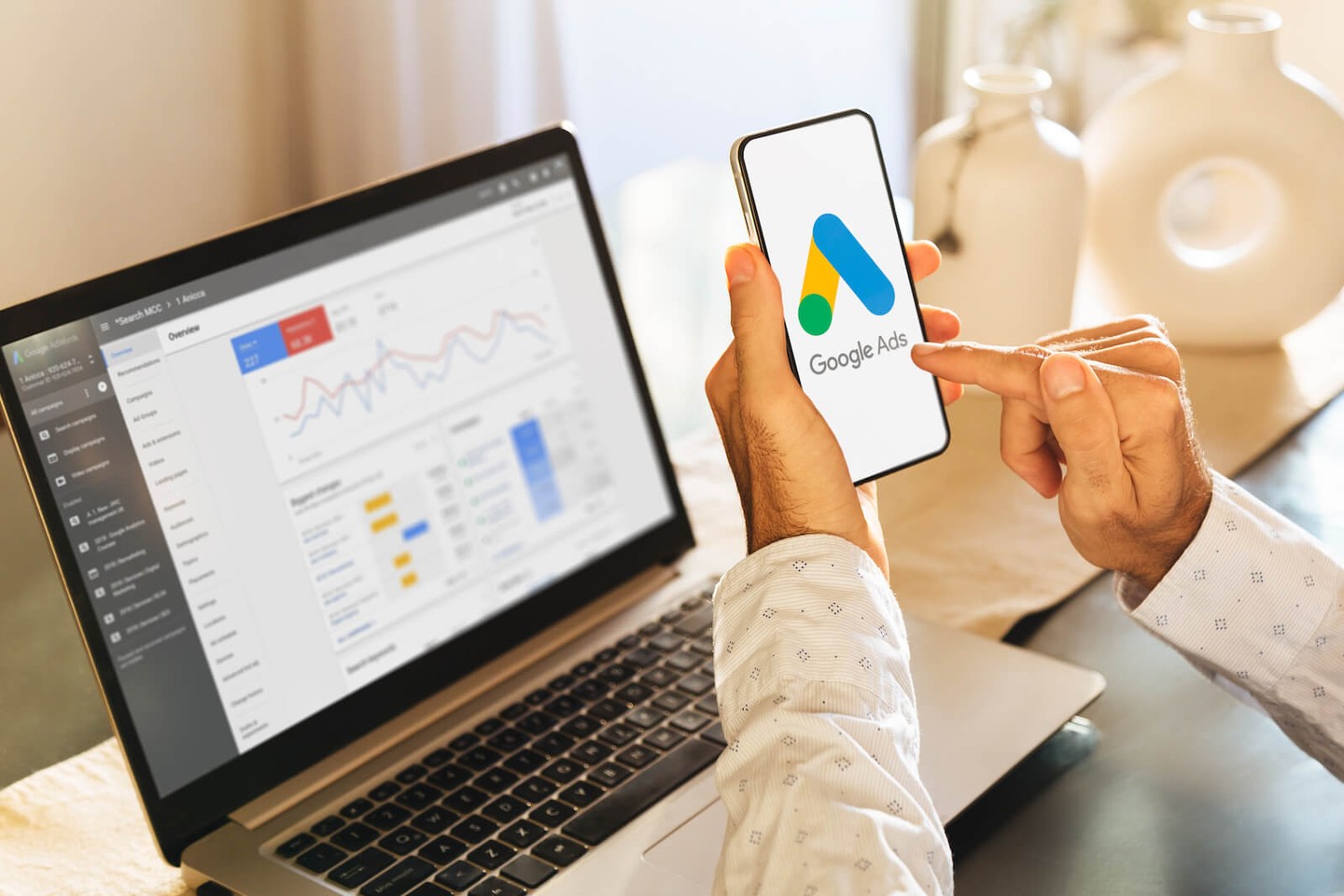
Mobile PPC advertising has become a driving force behind digital growth as smartphone usage continues to dominate online behaviour. From voice search optimisation to AI-powered bidding, new trends are reshaping how brands connect with mobile users. Businesses that adapt their PPC strategies for mobile conversions can significantly increase performance and ROI.
Mobile devices now account for most online searches, purchases, and browsing behaviour. This shift places mobile PPC advertising at the centre of performance marketing strategies. As user expectations for speed, relevance, and personalisation grow, advertisers must refine their campaigns to optimise every stage of the buyer journey. Mobile-first PPC optimisation is no longer optional—it is an essential component of competitive digital advertising.
Mobile conversions depend on delivering fast, seamless, and highly relevant user experiences. New technologies and evolving customer behaviours require advertisers to rethink traditional PPC tactics and adopt innovative techniques to increase click-through rates, lower acquisition costs, and boost long-term revenue growth.
The Rise of Mobile-First PPC Marketing
PPC campaigns are increasingly designed for mobile audiences, where search intent often drives faster decision-making. Brands that understand mobile-specific behaviours and conversion triggers gain a distinct advantage in heavily competitive advertising environments.
Key drivers behind mobile PPC growth
- High dependency on smartphones for search, shopping, and service research
- Advanced targeting capabilities enabling precise audience segmentation
- Better ad visibility in mobile-only search layouts
- Real-time accessibility, increasing conversion opportunities
Modern campaigns that prioritise mobile formatting, keyword selection, and landing-page experience consistently achieve improved performance metrics and more substantial return on ad spend.
Mobile PPC Advertising Trends Shaping 2025
Keeping pace with new trends helps advertisers align campaign elements with evolving user expectations. Below are the most significant developments influencing mobile PPC strategy.
1. AI-Powered Bidding and Smart Automation
Machine-learning bidding systems enhance campaign accuracy by dynamically adjusting bids based on conversion likelihood, device type, time of day, and search patterns. Automated bidding improves cost efficiency while reducing the workload of human optimisation, making PPC campaigns more agile.
2. Voice Search Optimisation
The increasing use of voice assistants impacts keyword strategy. Long-tail, conversational phrases and question-based queries require inclusion to align with real mobile search habits. Optimising PPC ads for natural language improves relevance and ad positioning.
3. Visual and Interactive Ad Formats
Mobile users respond strongly to rich media and immersive content. Clickable extensions, swipeable formats, and short-form motion ads enhance engagement and create more compelling conversion pathways. These ads perform exceptionally well for purchase-driven intent.
4. Hyper-Local Targeting and Location-Based Ads
Geo-intent is extremely powerful on mobile. Businesses are now creating campaign variations targeted by neighbourhood, travel proximity, and real-time location triggers. Hyper-local ads increase relevance and generate higher-quality leads.
5. First-Party Data and Privacy-Led Targeting
As third-party data becomes harder to access, advertisers are building stronger first-party segmentation strategies. Consent-based tracking and audience insights enable more personalised ad delivery without compromising privacy compliance.
Optimising PPC Campaigns for Higher Mobile Conversions
Successful mobile PPC campaigns require more than compelling ad copy. Users must experience seamless, friction-free interactions from search to checkout.
Essential optimisation strategies
- Ensure fast page load times: Slow pages significantly reduce conversions.
- Mobile-friendly landing design: Single-column layout, clean spacing, clear CTAs.
- Local intent keywords: Optimise for location-oriented searches.
- Target high-intent actions: Click-to-call, directions, and quick-form lead capture.
- Responsive ad format testing: Frequently test minor copy variations and extensions.
- Optimise CTAs: Use urgent, action-focused wording suited for mobile behaviour.
Improving User Experience for Mobile PPC Success
User experience directly affects conversion performance. Mobile users expect minimal effort and fast decision-making pathways.
Best practices for mobile UX in PPC
- Reduce the number of steps required to complete a conversion.
- Offer mobile-specific CTAs aligned with user goals.
- Maintain consistent ad-to-landing-page message and design.
- Use strong, concise headlines optimised for small screens.
- Implement structured data for better search visibility.
Tracking Metrics That Matter for Mobile PPC
Understanding campaign performance requires evaluation of mobile-specific indicators. Advertisers who analyse behavioural data gain clarity on where adjustments are necessary.
Important performance metrics
- Click-through rate (CTR)
- Conversion rate
- Mobile landing-page load time
- Bounce rate
- Cost per conversion
- Time on page and scroll depth
Precise measurement supports strategic optimisation and avoids unnecessary budget waste.
FAQs
What is mobile PPC advertising?
Mobile PPC advertising refers to pay-per-click campaigns displayed on smartphones and tablets. These ads target users searching or browsing on mobile devices, enabling faster interaction and higher conversion potential when optimised for mobile behaviour and user intent.
Why is mobile optimisation important in PPC?
Mobile optimisation improves the user experience, reduces bounce rates, and boosts conversion rates. Most online activities now occur on mobile devices, so ensuring fast, relevant interaction increases campaign impact and maximises budget efficiency.
How does voice search influence PPC keyword strategy?
Voice search encourages more natural, conversational keyword phrasing. Including question-based and long-tail keywords increases relevance and improves ad ranking for queries spoken through digital assistants, enhancing visibility and engagement.
What factors improve mobile PPC conversions?
Strong ad copy, fast landing-page load times, simplified forms, location-based targeting, and clear CTAs significantly increase conversion rates. Consistency between ad intent and page content is crucial for performance.
Conclusion
Mobile PPC advertising is evolving rapidly as smartphones become the primary digital device for users worldwide. Businesses that embrace automation, local targeting, voice-search trends, and enhanced mobile experiences gain measurable competitive advantages. Prioritising user experience, data-backed decision-making, and modern ad formats is the foundation of higher mobile conversions and sustainable growth.